

Renting an apartment in Japan as a foreign freelancer is one of those experiences that tests your patience before it rewards you. The process involves more paperwork than most countries, more back-and-forth with agents, and — at some point — a moment where someone asks whether you have a hanko. If you don’t, that moment can stall everything.
This guide focuses specifically on the rental context. If you’re a freelancer — self-employed, without a Japanese company backing your application — the paperwork burden sits entirely on you. No HR team is providing an employment certificate. No payroll department is issuing income confirmation letters. You’re presenting yourself to a landlord or agency as a credible, financially stable tenant, and the documents you bring, including your seal, are part of how that case gets made.
Understanding hanko for freelancers in Japan in the context of housing means knowing not just what to bring, but when it matters, what type you need, and how to avoid the mistakes that slow down or derail an application. That’s exactly what we’ll cover here.
Why this segment is asked for a seal
Japan’s rental process is document-heavy by design. Landlords and real estate agencies (fudōsan-ya) are managing risk — they want to confirm your identity, your income, and your commitment to the lease before handing over keys. The hanko is part of that verification framework.
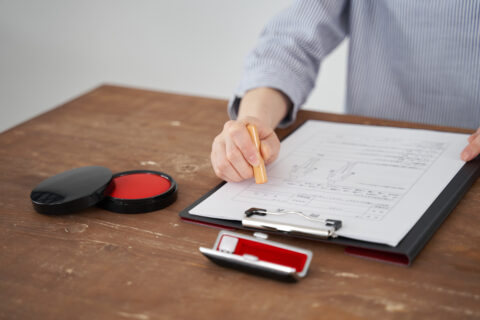
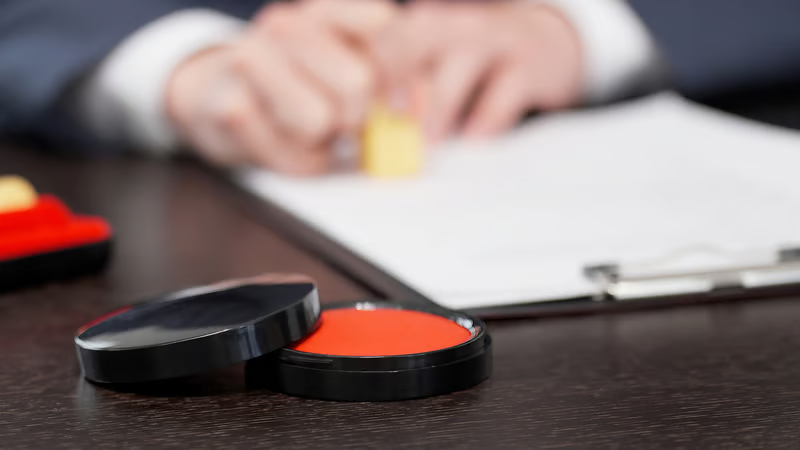
When you sign a lease in Japan, the contract is a formal legal document. The standard expectation is that both parties stamp it with their seal. For the tenant, this means producing a personal hanko and pressing it onto the designated areas of the contract — sometimes multiple times across several pages.
Here’s where the freelancer situation becomes specific. When you’re employed, your employer often co-signs or provides documentation that supports your application. As a freelancer, the entire application rests on your personal credibility. Agencies dealing with self-employed foreign tenants sometimes apply extra scrutiny — requesting more income documents, asking for a guarantor, or being particularly attentive to whether your paperwork is complete. Showing up without a hanko, or with a clearly unsuitable one, adds to any hesitation they already have.
There’s also the matter of guarantor companies (hoshō gaisha). Most rental applications in Japan now route through a rental guarantor service rather than requiring a personal guarantor. These companies have their own forms, and those forms typically include a seal field. You’ll stamp not just the lease itself, but also the guarantor application.
A common scenario: a freelancer has found a good apartment, cleared the income check, and arrives at the agency to sign paperwork. The agent places a thick stack of documents on the desk. There are stamp fields throughout. The freelancer pulls out a seal from a 100-yen shop — the kind sold with generic Japanese names — and the agent immediately notes it doesn’t match the tenant’s name. The appointment is rescheduled. The apartment, which wasn’t guaranteed to still be available, gets taken by someone else the next day.
That scenario is avoidable. Getting the right hanko before you start apartment hunting is the practical move.
Common documents and timelines
Rental paperwork in Japan doesn’t happen all at once. It comes in waves, and knowing which wave involves your seal helps you prepare properly.
Initial application (moushikomi) The first form you fill out is typically an application to express interest in a unit. Some agencies include a hanko field here; others don’t require it at this stage. It varies by agency. Having your seal on hand is always better than explaining you don’t have one yet.
Income and identity verification Before the lease is signed, agencies will request documents confirming who you are and that you can pay the rent. For freelancers, this typically means:
- Residence card (zairyū card)
- My Number card
- Most recent tax return (kakutei shinkoku) — usually the past one to two years
- Bank statements (typically three to six months)
- Proof of current address
This stage doesn’t usually require a seal directly, but the documents you bring establish your credibility before the signing stage arrives.
Lease agreement (chintai keiyaku) This is the primary document requiring your hanko. It will have multiple stamp fields — on the main contract, on the attached terms, sometimes on a separate confirmation page. All stamped with the same personal seal.
Guarantor company application Filled out alongside or just before the lease signing. Has its own hanko fields. Uses the same personal seal.
Key handover acknowledgment When you receive the keys, you may sign and stamp a receipt confirming you’ve taken possession of the unit.
Checklist: documents and items to prepare before signing a lease
- Valid residence card
- My Number card
- Income verification (tax return, bank statements)
- Personal hanko — name matching your residence card
- Seal case and ink pad if your seal doesn’t have a built-in ink pad (shachihata-style seals have their own)
- Any additional documents your specific agency requests — ask in advance
Timeline note: From application to key handover, the process often takes one to three weeks. Don’t order your hanko the day before you sign. Order it as soon as you start seriously apartment hunting.
Recommended hanko type/size
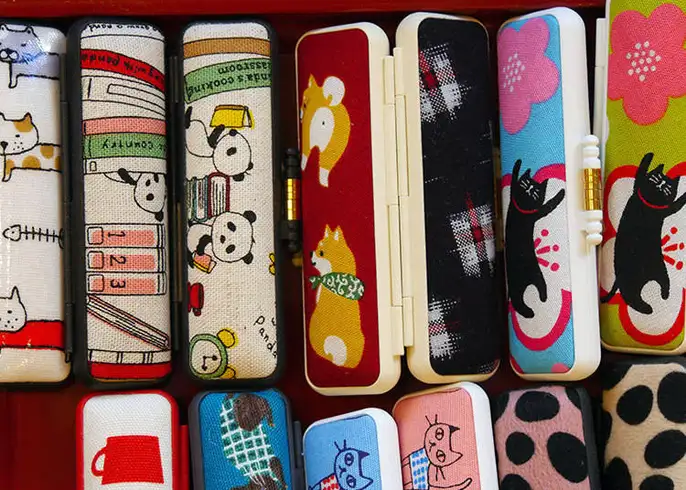
For rental paperwork, a mitome-in — an everyday personal seal — is what you need in most cases. You do not need a jitsuin (government-registered seal) for a standard residential lease. That level of seal is reserved for higher-stakes legal transactions.
Size: 10.5mm to 12mm diameter is appropriate for personal use. This is the range most real estate agents and guarantor companies expect to see. A seal that is too small produces an unclear impression; one that is too large suggests a corporate or registered seal and can look out of place on a residential contract.
Material: Resin or acrylic seals are practical and affordable. They hold their shape well, produce consistent impressions, and don’t require special care. If you plan to use your seal for years across multiple leases, contracts, and other paperwork, a more durable material like wood or composite is a worthwhile investment.
Name format: Your seal should display your name in a way that matches your official documents. For foreigners, katakana is the most widely accepted script for personal seals. Family name only is common when the full name is long in katakana. The key rule is consistency: the name on your seal should correspond to the name on your residence card. Agents do check.
Common mistakes
- Using a pre-made hanko from a convenience store or 100-yen shop. These are sold for common Japanese names and will not have your foreign name. They’re also immediately identifiable as non-personal seals, which undermines the entire purpose.
- Ordering a seal with a romanized name. While some institutions accept this, real estate agencies in Japan are more traditional in their expectations. Katakana is safer.
- Getting a jitsuin registered thinking it’s required. For a standard residential lease, it almost never is. Save yourself the city hall trip unless your agent specifically asks for it.
- Ordering too late. Production and delivery take time. If you wait until after you’ve found an apartment and been approved, you may be racing against a signing deadline.
- Using a shachihata (self-inking stamp with a rubber die) for important documents. These are fine for internal office paperwork but are sometimes not accepted for formal contracts because the impression isn’t considered sufficiently permanent.
Ordering tips in English
Ordering a hanko used to mean walking into a local stamp shop and communicating your requirements in Japanese. For foreigners still building their language skills, or simply those who want a straightforward process, that can be a stressful and error-prone experience.
English-friendly options now make this simple. HankoHub lets you order a custom personal seal in English, with your name rendered in katakana, choice of size and material, and clear delivery options to your address in Japan. For a freelancer managing an apartment search alongside client work, removing this friction matters.
Practical steps when ordering:
Confirm your katakana name first. Check your residence card — it may already display your name in katakana. If not, use a reliable katakana conversion tool and double-check the result before placing your order. Your seal name and your residence card name need to correspond.
Order early in the apartment search process. The moment you start seriously viewing apartments, order your seal. You don’t want to find a place, clear the income check, and then discover you need to wait another week before you can sign.
Choose a size and material suited to regular use. A 10.5mm or 12mm resin or composite seal is a practical, durable choice for rental paperwork and everything else you’ll stamp in Japan.
Consider having a digital hanko as well. If you work with clients who send PDF contracts or operate in digital-first workflows, a digital version of your seal keeps things consistent across physical and online paperwork. HankoHub offers digital hanko options alongside physical ones.
If you’re still looking for the right role, ComfysCareer is a solid starting point for foreigner-friendly jobs in Japan.
FAQ
Do I need a registered seal (jitsuin) for renting an apartment in Japan? In most cases, no. A standard personal seal (mitome-in) is sufficient for residential lease agreements and guarantor company forms. A jitsuin may be required for specific high-value or legally complex contracts, but this is uncommon for ordinary rentals.
What if the agency asks for a seal certificate (inkan shōmeisho)? This is rare for standard residential rentals, but it can happen with certain landlords or in unusual contract situations. If asked, you would register your seal at your local ward or city office and obtain the certificate there. Ask your agent whether this is genuinely required before going through the process.
Can I use a signature instead of a hanko? Some agencies, particularly those catering to foreign tenants, may accept a signature. However, many do not, and real estate agencies in Japan tend to follow traditional document practices. Having a hanko removes any ambiguity and keeps the process moving.
My name is long in katakana. What should I do? Use your family name only. This is a completely standard approach for foreigners with long names and is accepted without issue in the rental context.
Can I use the same hanko for my lease, my bank account, and my client contracts? Yes. One personal mitome-in seal can be used across all of these. You don’t need separate seals for different document types. Consistency is actually beneficial — it builds a recognizable impression across your paperwork.
What’s the difference between a mitome-in and a shachihata? A shachihata is a self-inking stamp with a rubber die. It’s convenient for everyday office use but is often not accepted for formal documents like lease agreements because the rubber impression can vary slightly each time and isn’t considered as permanent as a carved seal on an ink pad. For rental paperwork, use a proper carved seal.
Next steps

If you’re apartment hunting in Japan as a freelancer, your hanko should be on your preparation list from day one — not something you scramble to find after you’ve been approved for a unit. Head to HankoHub to order a custom personal seal in English, with your name in katakana and your choice of size and material. It ships directly to your address in Japan, and having it ready before your signing appointment means one less thing standing between you and your new place.